Categories
Uncategorized

Appropriation and Meme Culture

When Artwork becomes a meme

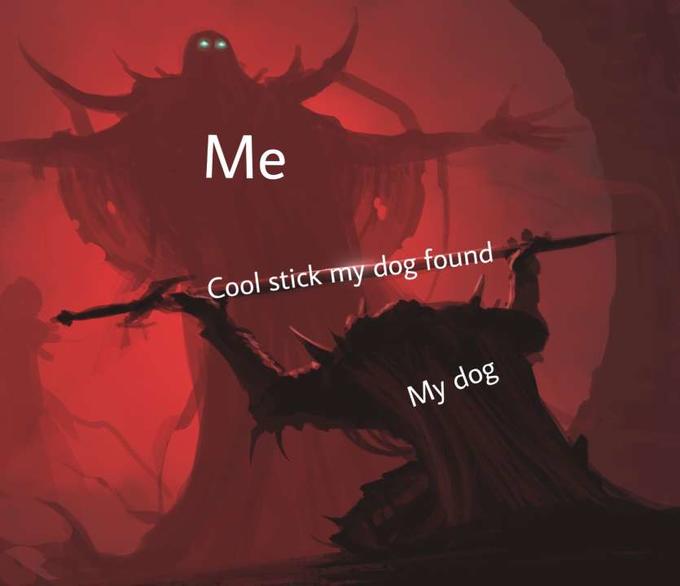
Meme culture has made media content increasingly spreadable. Now, this would be great for Content Creators if there wasn’t one glaring issue.

That being that the original creators of this “memeable” content often go unnoticed.

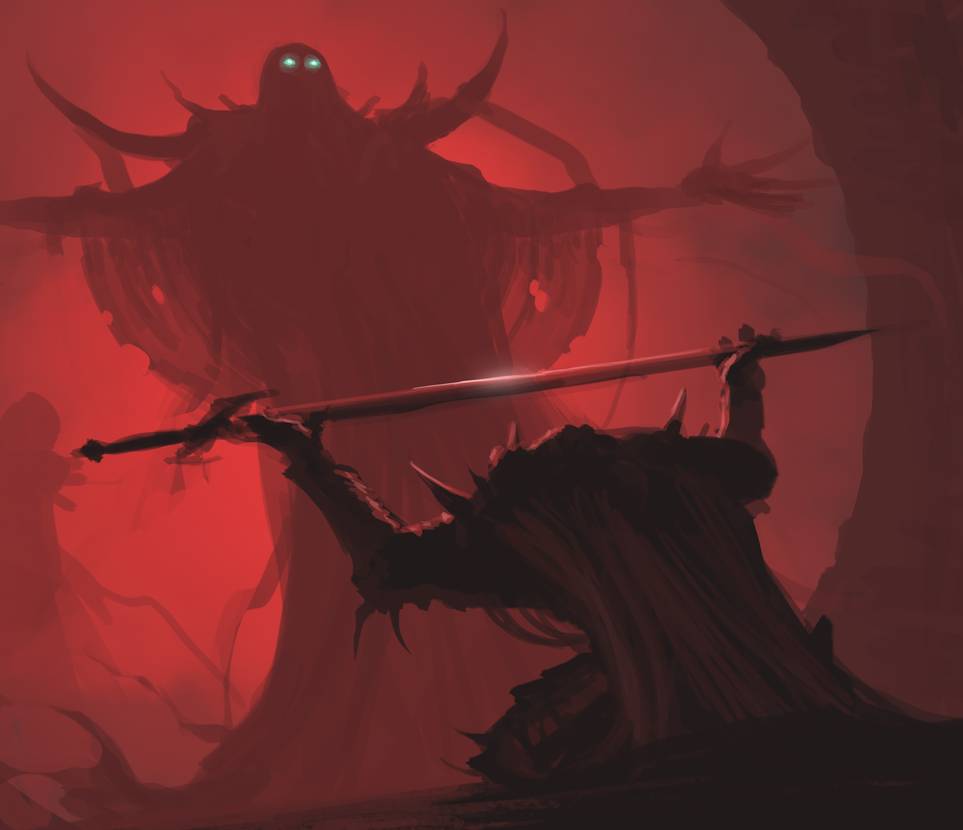
One example of artwork becoming a meme is the piece called “Master’s Blessing” by a Deviant Artist named MorkarDFC

undefined

This piece was originally made in 2016. In 2018 it suddenly became a massive hit in the meme community. The only problem was that the internet didn’t credit and therefore appropriated his artwork.

Categories
Uncategorized

Online activism and the Corona virus

In the current state of world, quarantining is mandatory. So what does this mean for activism?

Slacktivism or Activism?

Ever since COVID reared its ugly head, it has made most forms of traditional activism ( example: protesting or organizing)

too dangerous to take part in. So instead this leaves many being forced to use online activism or Slacktivism instead.

What is Slacktivism/Online Activism?

Slacktivism is an online form of activism that engages in symbolic displays of support for a movement or cause. One example of Slacktivism could be social media users turning their profile pictures red for Kashmir. Online activism is often looked down upon because it doesn’t result in much change. However, it also has the ability to bring more attention to a cause. So, it has its own cons and pros.

Examples of Online Activism during the Corona Virus out break

Hobby Lobby

Recently Hobby Lobby’s CEO had tried to keep the stores open. However, in some states when his store was mandated to close, instead of furloughing their workers they permanently fired them over email.

This caused a massive out roar over social media which called to #boycottHobbyLobby for how horribly they treated their workers during a pandemic.

This call to action has brought major coverage to Hobby Lobby’s wrong doings to the point where Hobby Lobby was trending on Twitter. In the eyes of public, this companies image is tarnished and it will take a long time for them to recover from this.

.

Categories
Uncategorized

T h e R e n e g a d e

Social Capital, Participatory Culture and who benefits from all of it?

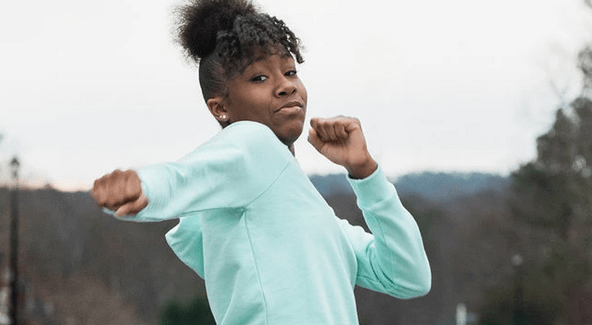
Recently, it has been revealed that the true creator of the popular  Renegade dance is Jalaiah Harmon, a 14 year old dance artist from Atlanta. The Renegade first became popular through the famous Tick Tock artist, Charli D’Amelio. However, Jalaiah was didn’t gain any social capital from this until recently. So the question is, why was Charli D’Amelio able to reap all of the success from the Renegade but Jalaiah Harmon wasn’t?

To understand this we need to explore Social Capital and Participatory Culture

So what is Social Capital?

According to Lecture 4 of our Going Viral class, Social Capital is the popularity a person gets when sharing information that is either useful or entertaining to a viewer. However, those who get the most social capital are people who are already influential. The perfect example of someone who is very influential in online dance culture is Charli D’Amelio. Before D’Amelio made the renegade dance popular she was an incredibly popular Tik Tok artist with over 22 million subscribers. In comparison, Jalaiah Harmon only had 20,000 followers on Instagram and 1,700 followers on Funimate. Jalaiah’s social influence at the time couldn’t compete with D’Amelio’s, so she had no way to get everyone’s attention and tell them that this was HER dance.

Another important note, is the fact that Jalaiah Harmon originally posted the Renegade on an app called Funimate. According to the New York Time’s article, Meet the Original Renegade Dance Creator: Jalaiah Harmon, Dubsmash is a dancing app that many smaller creators like Jalaiah use in order choreograph songs they love. However, Dubsmash isn’t as popular as Tik Tok even though many popular dances originate there.

How Participatory culture ties into this

According to The Participatory Culture reading, Participatory Culture can be defined as; a culture that is very easy for novice artists to get into and is very encouraging to those said artists.

However, Participatory Culture isn’t always beneficial.

With Jalaiah’s she has suffered from what is known as the Participation Gap. According to Lecture 5, the Participation gap occurs when one doesn’t have equal access to opportunities, skills, experiences or knowledge.

However, Jalaiah has enough experience, knowledge and skills since she was the one who created that incredibly complicated dance. What Jalaiah lacks was the opportunities that D’Amelio had. Even though D’Amelio’s skills don’t come close to Jalaiah’s (she made a less complicated version of the Renegade that she could do) she still managed to attain a mass following while smaller creators struggle.
Categories
Public Relations Uncategorized

#Baby Nut

A tale of producers vs prosumers

Introduction

Hello, I’d like to introduce you all to my Studying Viral Content blog. This blog is mainly concerned with how viral content spreads. Additionally, it will go over the different strategies organizations use to make something a hit.

The story of Baby Nut

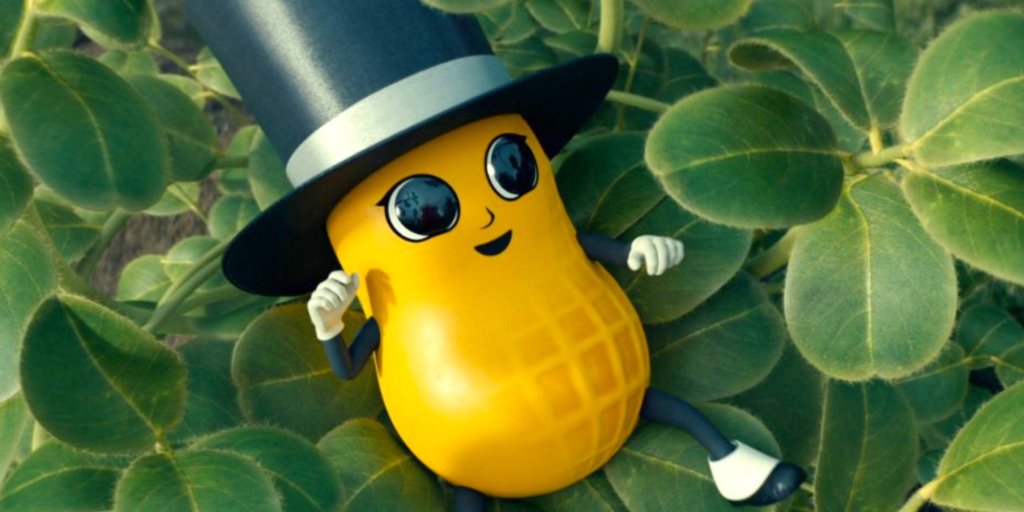
The first topic is discussing Baby Nut. Before the Super Bowl planters killed off their iconic mascot, Mr. Peanut. Then, Baby Nut made his first appearance during the Superbowl. Thanks to the tears of the Kool Aid Man, Mr. Peanut was reborn as Baby Nut.

Backlash

The trouble began when Planters began to spam #BabyNut tweets constantly on their official account. The intention behind creating the BabyNut twitter account was obviously to capitalize off of the success of Baby Yoda and to gain revenue from merchandise.

Also, according to Verges article called, Twitter Boots Planters’ Baby Nut Meme Accounts for Violating its rules, Baby Nut accounts were suspended from the site because it violated Twitters rules for spamming a hashtag to make it gain more traction.

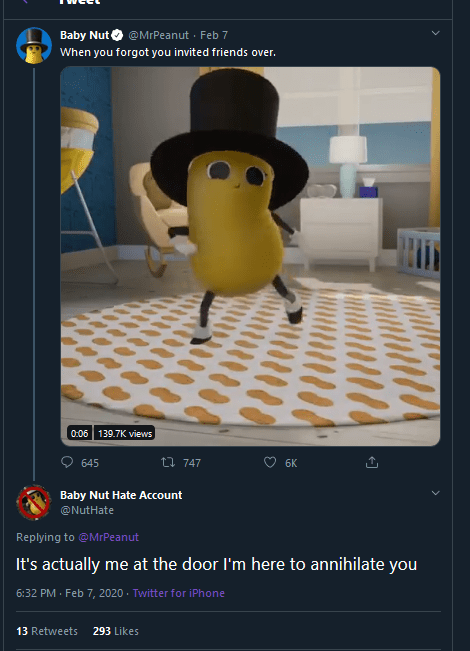
Twitter wasn’t the only one who became sick of Planters blatant attempts at boosting their new mascot’s popularity. Things took a turn for the worst for Planters when the Internet had enough of it. Instead of making Baby Nut a cute, relatable meme, Planters inadvertently riled up the internet enough to create twitter accounts and memes dedicated towards hating Baby Nut.

Why these haters are prosumers

A prosumer is defined as being a blend between a consumer and a producer. Meaning they produce fan made (Or in this case “hate made”) content of something that already exists. The distinction between a consumer and prosumer is important because consumers only passively consume media content instead of actively engaging with it like prosumers do.

Some examples of prosumers in action are edits of users personally annihilating Baby Nut and one prosumer even made an animation of their character destroying Baby Nut.

These prosumers are taking back the power from the producer (Planters) by no longer being supportive of Baby Nut.

Design a site like this with WordPress.com
Get started